


THYROID
"Take charge of your thyroid health with yoga. Let balance and wellness become a way of life."
THYROID
"Take charge of your thyroid health with yoga. Let balance and wellness become a way of life."
Manage Thyroid Naturally with Yoga at Maheshwari Yoga Institute
Manage Thyroid Naturally with Yoga at Maheshwari Yoga Institute
The thyroid gland, though small, plays a vital role in maintaining energy levels, metabolism, mood, and overall well-being. When it becomes imbalanced—leading to hypothyroidism (underactive thyroid) or hyperthyroidism (overactive thyroid)—it can cause fatigue, weight changes, anxiety, stress, and many other health issues.
At Maheshwari Yoga Institute, we offer a holistic and natural way to manage thyroid conditions through yoga, breathing techniques, and lifestyle awareness. With over a decade of experience in therapeutic yoga, our institute provides safe and effective practices that complement medical treatment and help restore balance.
Why Yoga for Thyroid?
Why Yoga for Thyroid?
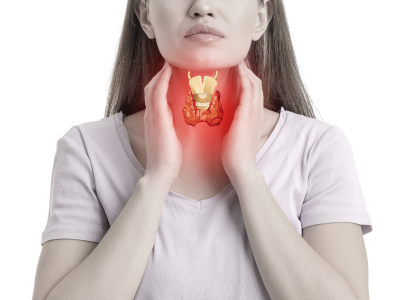
Unlike medicines that only manage symptoms, yoga addresses the root causes of thyroid imbalance by:
- Stimulating and strengthening the thyroid gland through specific postures
- Improving blood circulation and oxygen flow to the throat region
- Reducing stress and anxiety, which are major triggers for thyroid problems
- Supporting healthy metabolism and energy levels
- Enhancing mental clarity and emotional balance
Yoga not only improves gland function but also brings harmony between the body, mind, and emotions.
Yoga Practices for Thyroid Health
Yoga Practices for Thyroid Health
At Maheshwari Yoga Institute, our expert trainers carefully design sessions with a blend of asanas, pranayama, meditation, and relaxation techniques.
Recommended Asanas (Postures):
- Sarvangasana (Shoulder Stand): Stimulates thyroid gland and boosts metabolism
- Matsyasana (Fish Pose): Enhances thyroid and parathyroid health
- Bhujangasana (Cobra Pose): Improves energy and blood circulation
- Setu Bandhasana (Bridge Pose): Regulates hormone secretion
- Halasana (Plough Pose): Relieves stress and balances thyroid activity
Pranayama (Breathing Techniques):
- Ujjayi Pranayama (Victorious Breath): Directly stimulates throat region and thyroid gland
- Anulom Vilom (Alternate Nostril Breathing): Balances nervous system and reduces stress
- Bhramari (Bee Breath): Calms the mind and controls anxiety
Meditation & Relaxation:
- Guided meditation sessions to reduce mental stress
- Yoga Nidra for deep relaxation and glandular balance


Our Unique Approach at Maheshwari Yoga Institute
Our Unique Approach at Maheshwari Yoga Institute
Benefits You Can Experience
- Improved energy and vitality
- Better weight management
- Enhanced mood and reduced irritability
- Relief from stress, fatigue, and anxiety
- Improved concentration and focus
- Balanced hormone function
What makes us different?
- Expert Guidance: Experienced yoga teachers specialized in therapeutic yoga
- Personalized Programs: Tailored practices depending on whether you have hypo- or hyperthyroidism
- Safe Environment: Gentle and guided sessions suitable for beginners as well as advanced practitioners
- Holistic Healing: Along with yoga, we provide simple lifestyle tips, diet suggestions, and mindfulness practices to support thyroid health
- Consistent Support: Continuous monitoring and progress tracking for long-term results
FAQs
1. What is the thyroid gland?
The thyroid is a small, butterfly-shaped gland located at the base of your neck. It produces hormones called T3 (Triiodothyronine) and T4 (Thyroxine), which control metabolism, energy levels, growth, and development.
2. What are the common thyroid disorders?
- Hypothyroidism – When the thyroid is underactive and produces fewer hormones.
- Hyperthyroidism – When the thyroid is overactive and produces excess hormones.
- Goiter – Abnormal enlargement of the thyroid gland.
- Thyroid nodules – Lumps in the thyroid gland.
- Thyroid cancer – Rare but possible.
3. What are the signs of thyroid problems?
- Hypothyroidism: Weight gain, fatigue, hair loss, constipation, dry skin, depression, feeling cold.
- Hyperthyroidism: Weight loss, rapid heartbeat, nervousness, sweating, tremors, insomnia, heat intolerance.
4. What causes thyroid disorders?
- Autoimmune conditions (Hashimoto’s thyroiditis, Graves’ disease)
- Iodine deficiency or excess iodine intake
- Genetic predisposition
- Stress and poor lifestyle habits
- Certain medications or medical treatments
5. How is thyroid disease diagnosed?
Diagnosis is done through:
- Blood tests: TSH, T3, T4, and thyroid antibodies
- Ultrasound: To check thyroid structure and nodules
- Fine Needle Aspiration Biopsy (FNAC): If nodules are suspected
- Scans: In special cases
6. Is thyroid disease curable?
- Hypothyroidism usually requires lifelong thyroid hormone replacement (Levothyroxine).
- Hyperthyroidism can be managed with medications, radioactive iodine therapy, or surgery.
- Proper treatment, diet, yoga, and stress management can keep symptoms under control.
7. Can thyroid problems affect women more?
Yes. Women are more likely to develop thyroid disorders, especially during pregnancy, after childbirth (postpartum thyroiditis), and menopause. It can also affect menstrual cycles, fertility, and pregnancy health.
8. How does diet affect thyroid health?
- For Hypothyroidism: Include iodine-rich foods (iodized salt, seaweed), selenium (Brazil nuts, sunflower seeds), zinc (pumpkin seeds, legumes).
- For Hyperthyroidism: Avoid excess iodine (seaweed, iodized salt); eat cruciferous vegetables like broccoli, cabbage, cauliflower to slow hormone production.
9. Can yoga help manage thyroid?
Yes. Yoga improves blood flow, reduces stress, and balances hormones. Helpful asanas include:
- Sarvangasana (Shoulder Stand)
- Matsyasana (Fish Pose)
- Bhujangasana (Cobra Pose)
- Halasana (Plough Pose)
Pranayama (Anulom Vilom, Bhramari) also supports thyroid health.
10. Can thyroid issues affect pregnancy and fertility?
Yes. Both hypothyroidism and hyperthyroidism can lead to:
- Irregular periods
- Difficulty conceiving
- Miscarriage or pregnancy complications
With proper treatment and monitoring, most women can have a healthy pregnancy.